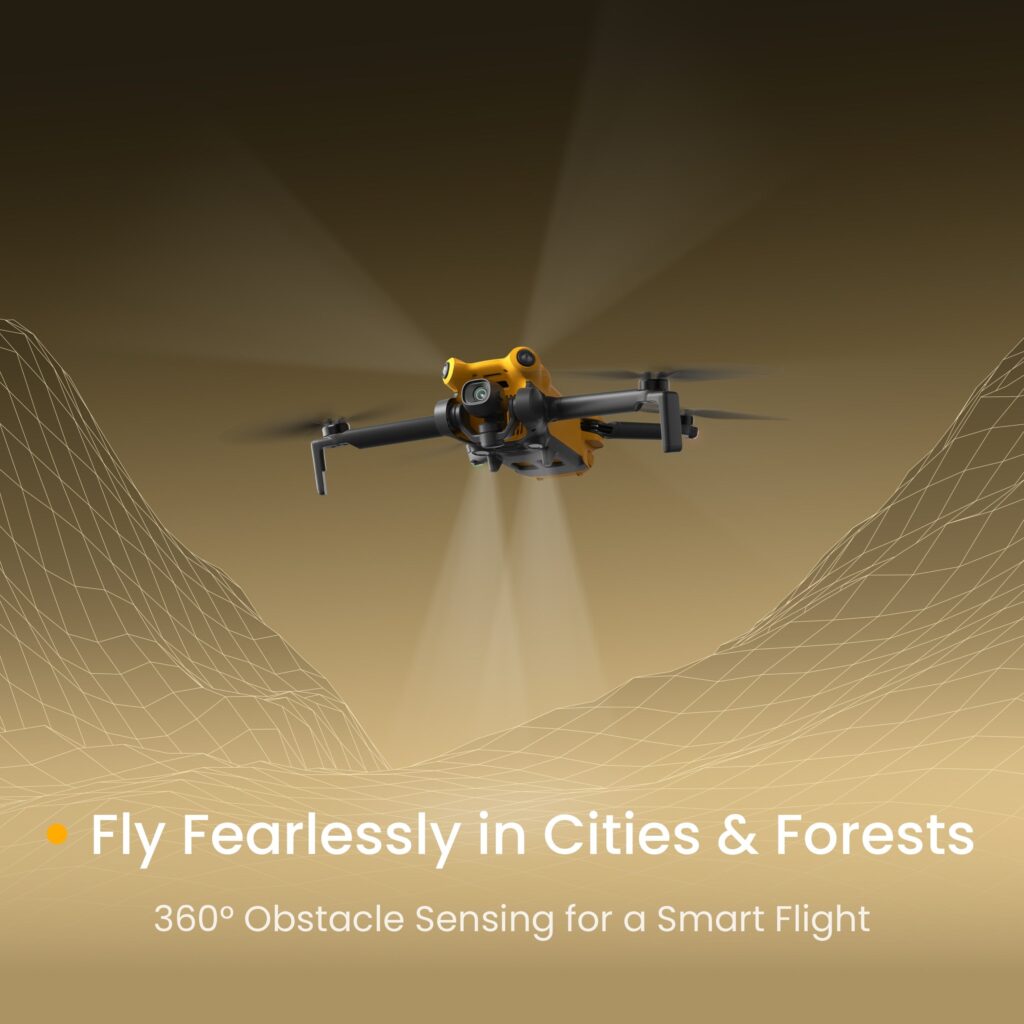
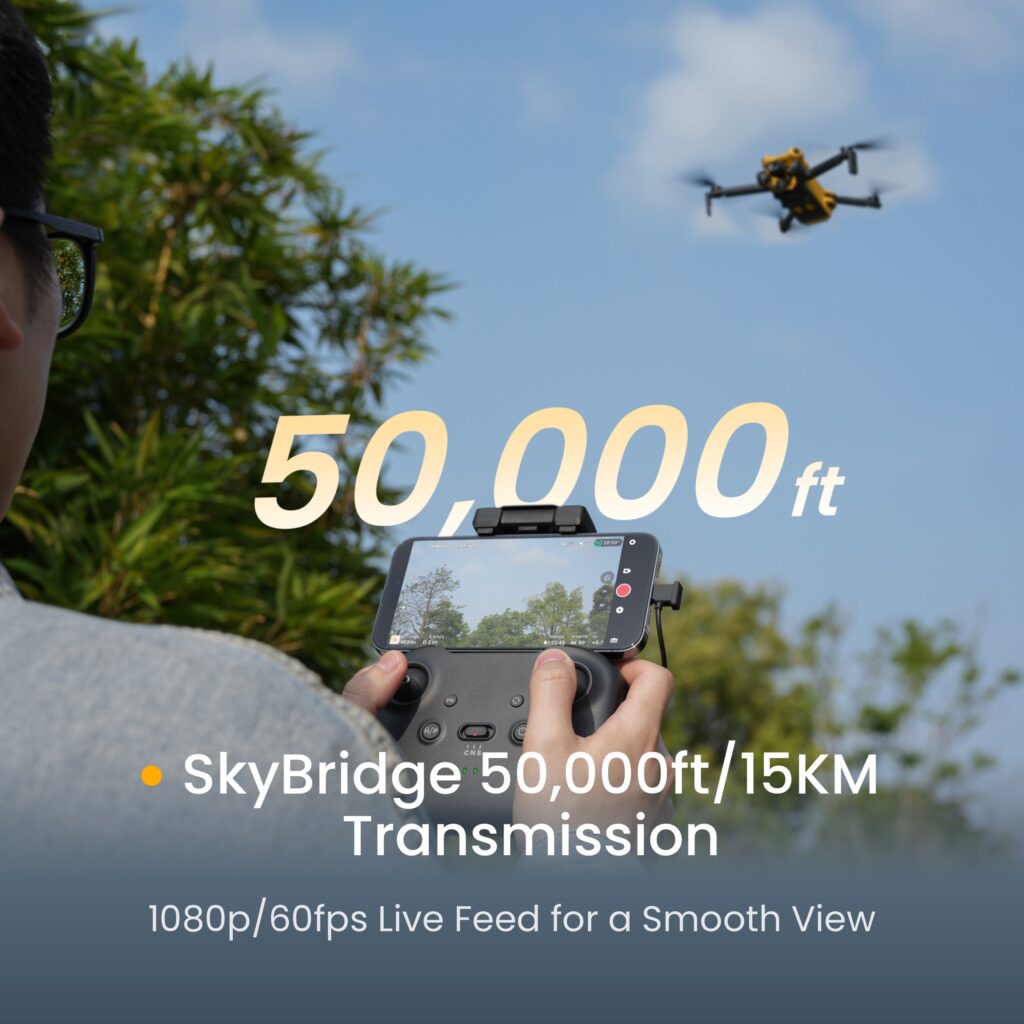
The SkyRover X1 is a folding camera drone that weighs under 249 grams and carries a 1/1.32-inch sensor. The brand lists 4K/60fps HDR video, 48MP photos, 360-degree obstacle sensing and a transmission range of up to 9.32 miles.
That is a long spec sheet for a drone this light. This page is a research-based look, built from the brand’s specs, its FAQ and independent field tests, so you can weigh the details before you click anything. Current kits and prices are on SkyRover’s own site, which opens the brand’s store in a new tab.
The short version: a good fit for a pilot who cares most about the camera, checks airspace without help from the app and handles the housing gently. Low-light polish and build quality are where the rough edges show.
What the X1 Offers
SkyRover is a young company. Henry Zhang founded it, and the team includes engineers with a DJI background. The headquarters is in Dover, Delaware.
The X1 is the brand’s flagship drone. Here is what the spec sheet promises.
- Weight: under 249 grams
- Sensor: 1/1.32-inch CMOS
- Video: 4K/60fps HDR, plus 4K/100fps high-speed recording
- Photos: 48MP stills (8K) and RAW files
- Color: SR-Log profile in 10-bit HLG
- Obstacle sensing: 360 degrees
- Tracking: Dual Track plus Spotlight
- Rated flight time: up to 32 minutes
- Transmission range: up to 9.32 miles
Staying under 249 grams matters for paperwork. Recreational pilots typically do not need to register a drone that light, though it is smart to confirm the current FAA rules yourself.
Camera and Image Quality
Reviewers who flew the X1 called the live view crisp, with well-balanced exposure. The spec sheet lists a gimbal that tilts up to 60 degrees, which reaches angles that a fixed-pitch gimbal cannot.
Stills can be saved as RAW files, which helps if you plan to edit rather than post straight from the drone. SR-Log is SkyRover’s flat color profile, and recording it in 10-bit HLG keeps more color information to work with when you grade video.
Reviewers found digital zoom the soft spot, with quality dropping noticeably past 3x. Use it to frame a shot instead of chasing fine detail.
Shooting modes
The brand also lists 4K time-lapse and hyperlapse in both Free Mode and CourseLock Mode, plus auto exposure bracketing for HDR stills. One-Tap Pro Shots flies preset patterns for you. Official ND filters are sold as accessories for bright daylight.
Flight Performance in the Field
The key evidence here is an independent field test in the Alaska wilderness, where the X1 flew beside a DJI Mini 4 Pro.
The tester found that the X1’s subject tracking coped well with rugged ground and, at moments, beat the Mini 4 Pro. Wind handling looked similar on both. Visible drift appeared only when flying very close to a subject in gusts.
Other reviewers called GPS lock fast and dependable. The in-app flight tutorial was called especially easy to follow for first-time pilots.
The controller deserves a mention too. The brand’s screen remote pairs a 5.5-inch, 700-nit touchscreen with 32GB of storage and is listed at roughly three hours of controller battery life. Phone-mounted setups also work, though a dedicated screen should be easier to see in bright light.
Battery life tells a more modest story. That same field test landed at about 25 to 26 minutes per charge, below the 32-minute rating. Wind, cold and active tracking all draw extra power, so plan your flights around the lower figure.
Rough Edges Worth Knowing
Not every review was glowing. One tester spotted a visible gap in the housing and an exposed section of circuit board inside the battery compartment. The rear sensor also produced occasional phantom obstacle warnings.
The X1 has no protection rating against sand, dust, moisture or salt air, and the brand’s FAQ says it is not waterproof. Beach days and wet weather call for extra caution or a different plan.
The in-app map does not show flight-restriction zones. Checking airspace is your job.
Security researchers who examined the companion app reportedly found code that references DJI’s cloud infrastructure. That fits the founding team’s background, and nothing in the coverage ties it to a safety problem.
X1 vs DJI Mini 4 Pro
DJI’s Mini 4 Pro is a natural point of comparison for drones under 249 grams, and SkyRover invites it with a closely matched spec list.
| Detail | X1 | Mini 4 Pro |
|---|---|---|
| Fly More Combo price | Check the current price at SkyRover | From about $1,099 |
| Top video mode | 4K/60fps HDR, 4K/100fps high-speed | 4K/100fps |
| Sensor size | 1/1.32-inch format | 1/1.3-inch format |
| Remote ID | Can be switched off | Always on |
| Weight | Under 249 g | Under 249 g |
| Obstacle sensing | All directions | All directions |
On paper, the two sensors are close enough in size that the gap is unlikely to show in everyday footage. Price is where SkyRover pitches the X1 as the lower-priced alternative, so check its current price at SkyRover’s store.
The brand also lists a switch that turns Remote ID broadcasting on or off while the drone stays under 249 grams. The coverage says DJI does not offer that at this weight.
DJI still leads on low-light polish and track record, according to the coverage. It brings over ten years of firmware polish, a bigger accessory and repair network, and a longer record with regulators and insurers. If those matter more to you than price, that is where the extra money goes.
Kits, Warranty and Returns
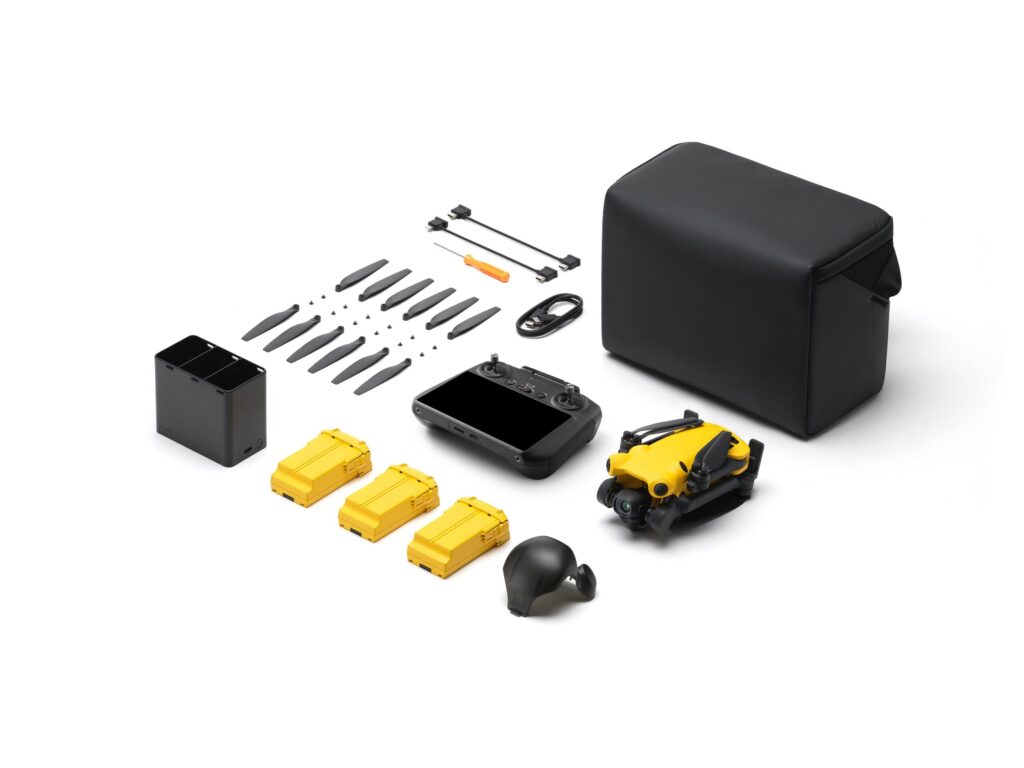
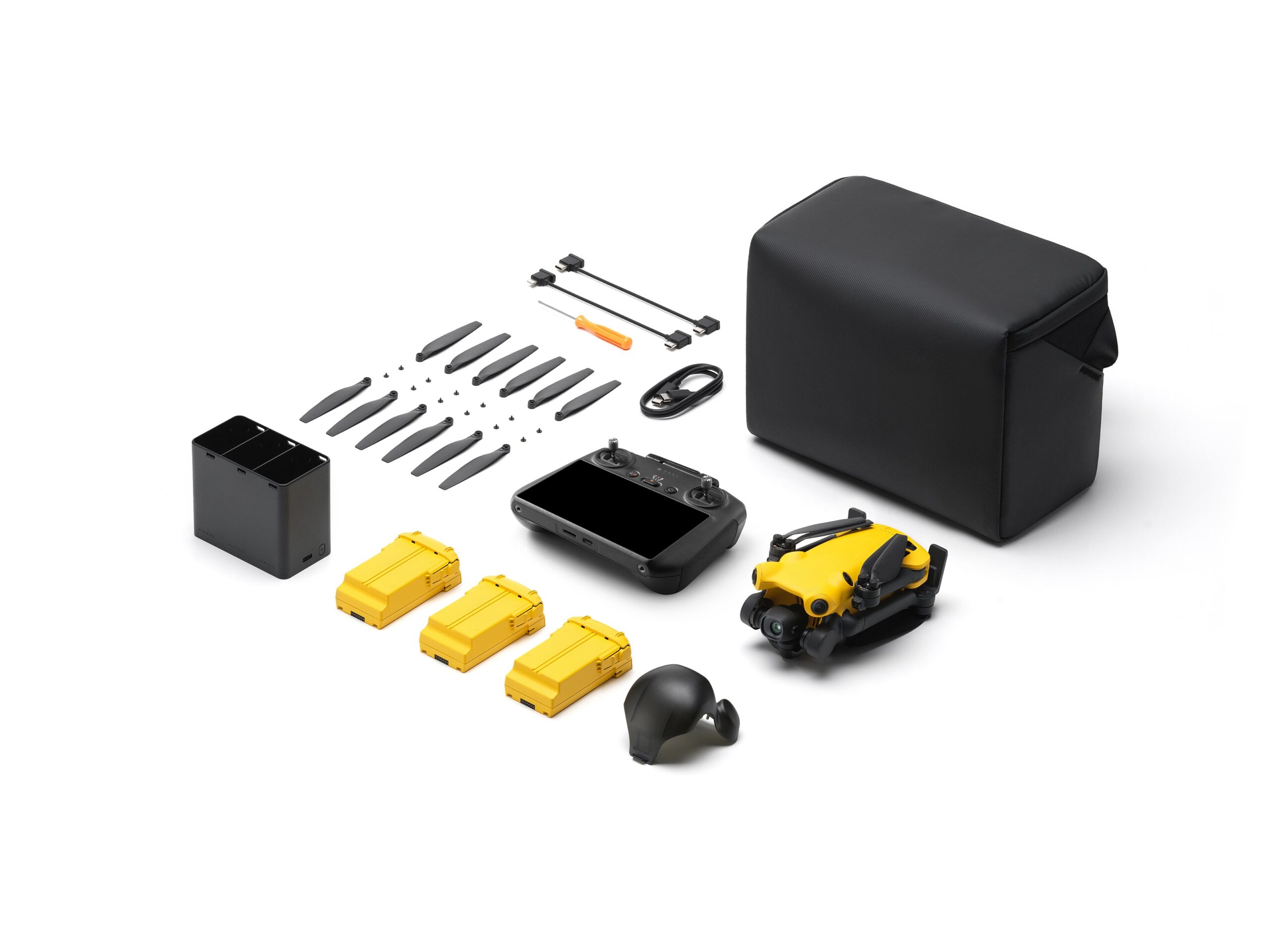
The X1 is sold in three setups. The standard kit includes the drone, a controller and one battery. The Fly More Combo adds three batteries in total, spare propellers and a carrying case.
The third setup is the combo with a screen remote. It has the Fly More contents plus the touchscreen controller described earlier, which suits pilots who often fly in bright sun. Check SkyRover’s store for the current price of each setup.
SKYROVER CARE is an optional protection plan for the X1 at about $119. Per the brand, it pays for as many as two replacement drones over the first 12 months, accidental damage included, and shipping both ways is free.
The standard warranty runs 12 months and covers manufacturing defects. SkyRover also offers 30-day returns on eligible purchases and free shipping on orders over $99. The brand describes its service as “swap not mend”, meaning a replacement unit instead of a repair ticket.
Before you order
- Count how many flights you usually fit into one outing, then match the number of batteries to that.
- Decide on the protection plan up front, since checkout is a better moment to add it than after an accident.
- Check the airspace rules for the places you plan to fly.
The brand ties its warranty and protection plan to authorized channels, so buying from SkyRover’s own site is the simplest way to be covered from day one. Best Buy and B&H Photo Video also carry the lineup.
Frequently Asked Questions
Do I need to register the X1 with the FAA?
Under the 249-gram threshold, registration is typically not required for recreational flying. Rules can change, so check the current FAA guidance.
How long does the battery really last?
The brand rates it at up to 32 minutes. The independent field test landed closer to 25 or 26 minutes.
Is the X1 waterproof?
No. SkyRover’s FAQ says to avoid rain and any environment with water exposure.
Should I choose the X1 or the cheaper S1?
The S1 is the entry model, rated for up to 40 minutes per battery, and independent reviewers found its daytime footage strong. The X1 adds the larger sensor, 10-bit color, 360-degree sensing and longer range, which are meant to pay off at dusk or when you edit heavily.
Can the X1 track moving subjects?
Yes. Dual Track plus Spotlight can follow people, pets or vehicles while the camera stays aimed on its own target.
Where can I buy a genuine X1?
The brand’s own site, Best Buy and B&H Photo Video are the places named in the coverage. Be wary of marketplace listings that undercut SkyRover’s own store by a wide margin or come from an unknown seller.
What is SR-Log?
It is SkyRover’s flat color profile. It keeps a wider dynamic range so you can color-grade footage after landing.
The Verdict
The X1 is a reasonable choice if you want a large-sensor camera in a drone this light and can live with its rough edges. The field-test results on tracking and wind are encouraging, and the Remote ID switch is a real extra.
Skip it if low-light polish, rock-solid build quality or a long brand track record matter more than price. Be ready to check airspace yourself, keep it away from sand and water, and plan around 25 minutes of flying per battery.
Beginners who value simplicity over camera specs should look at the entry-level S1 first. Anyone who wants the larger sensor, longer range and full 360-degree sensing should go with the X1.
If the X1 sounds right, you can see SkyRover’s current range, kits and prices at SkyRover’s own store.