ChoiceQuill is reader-supported. When you buy through links on this page, we may earn a commission. You pay the same price either way.
The whole point of a hardware wallet is to keep your crypto keys away from the internet. ELLIPAL’s Titan 2.0 leans on QR codes instead of a cable to do that.
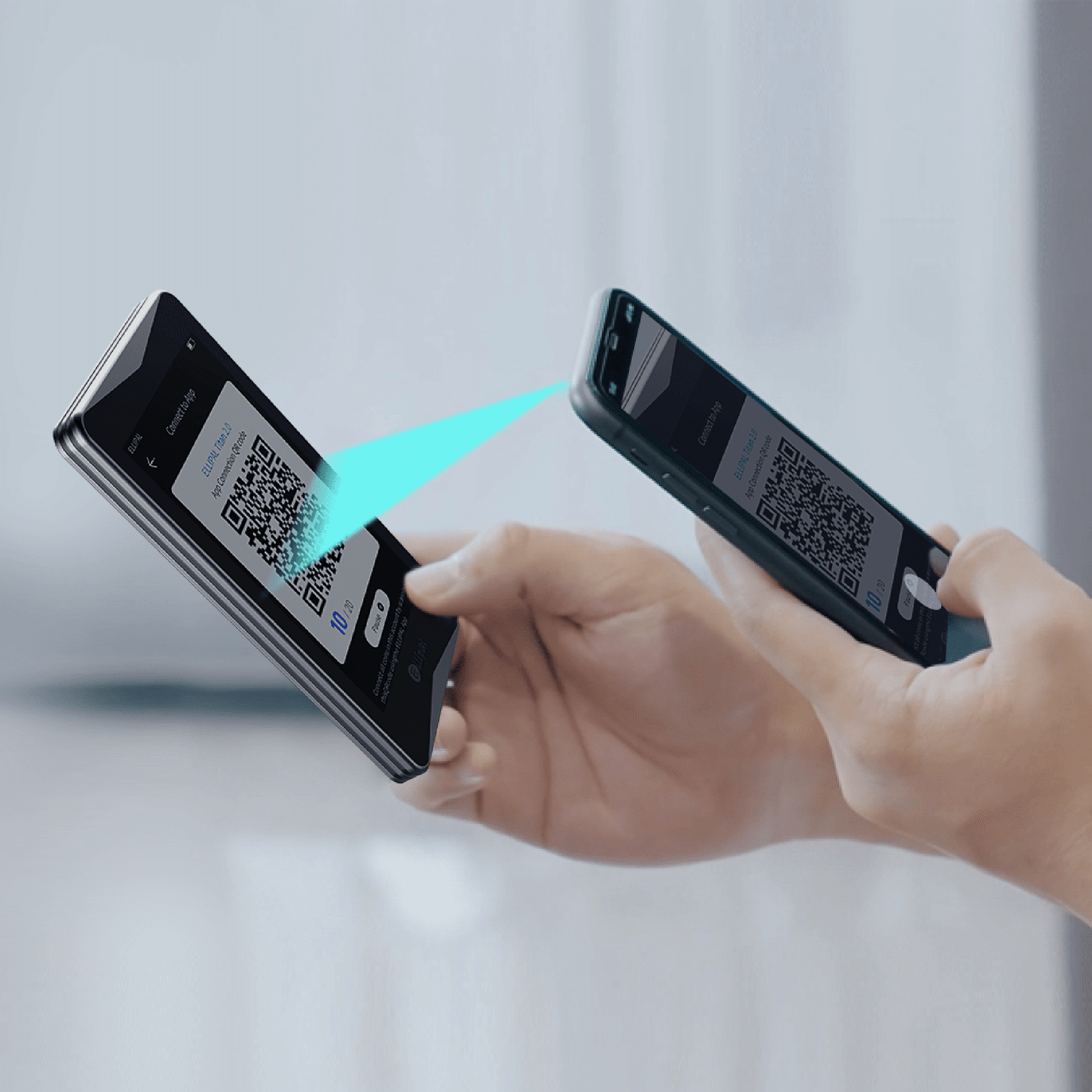
The Titan 2.0 is ELLIPAL’s flagship, and it is the model reviewers mention most when they discuss the brand. Its regular price is $169.
It has a 4.0-inch IPS touchscreen and a 1400 mAh battery. Every transaction is signed through a QR code, with no cable involved.
We read the official spec sheet and one hands-on review from a third party. Our aim was to see whether this setup holds up in daily use.
Box Contents and Build
The standard package holds the wallet, a charging adapter with a cable and a microSD card. A printed manual comes too, along with two recovery sheets for your seed phrase.
Dimensions are 118 × 66 × 9.7 mm, and it weighs 140g. That is noticeably bigger than a USB-stick style wallet, which is the price of a full touchscreen and a rear-facing QR camera.
Security Chip and Account Options
Inside sits a CC EAL5+ certified secure chip. Payment cards and passports rely on the same class of certification.
The body is fully metal-sealed. If someone tries to pry it open, the design is meant to erase whatever data is stored.
One device can run up to 10 separate accounts. That includes a hidden secondary wallet, which appears only after you enter a specific passphrase.
Signing by QR Code in Everyday Use
QR signing is the feature that makes many people hesitate before they try it. The process comes down to three steps:
- Hold the wallet’s screen in front of your phone’s camera so the phone receives the transaction data.
- Check the details on the wallet itself.
- Point the wallet’s own rear camera at your phone to send the signed transaction back.
Coin Bureau ran a hands-on review of the wallet. It reported that the process seemed natural once the first couple of transactions were behind it.
The reviewer also liked the larger 4-inch screen. Reading and verifying each signing request was clearly simpler than on smaller-button rivals.
That review also noted a practical catch. For dependable scanning, you need decent lighting and a clean screen.
That is not a dealbreaker, but keep it in mind before you try to sign something in a dim room.
Ratings From Reviewers and Buyers
Coin Bureau gave the Titan 2.0 an overall score of 4.8 out of 5. It judged the wallet a very strong choice for mobile-first users who care most about offline signing by QR code.
The listed cons were real, though. The ecosystem is more closed than its rivals, multisig support is weaker, and desktop-first power users get less flexibility.
Independent buyer reviews echo the praise for security. They also point to the shipping and support friction that the wider brand deals with.
According to feedback on reviews.io, response times have been inconsistent when an order goes wrong. Buy with plenty of lead time, and keep your order confirmation handy.
Titan 2.0 Next to Its Siblings
Next to the Titan Mini, the 2.0 brings a larger screen and battery for an extra $90.
The X Card is a pocket-sized NFC card, so choosing the Titan means moving to a full touchscreen device. That device offers a much wider account management interface.
Our Verdict
The Titan 2.0 fits people who run their crypto mostly from a phone and want their keys kept as far from the internet as realistically possible.
The 4-inch screen genuinely makes it easier to verify transactions. The chip and the metal body give the marketing real specs to stand on.
Buy only from an authorized source. When it arrives, set up the firmware and the seed backup correctly from day one.