
ChoiceQuill is reader-supported. When you buy through links on this page, we may earn a commission. You pay the same price either way.
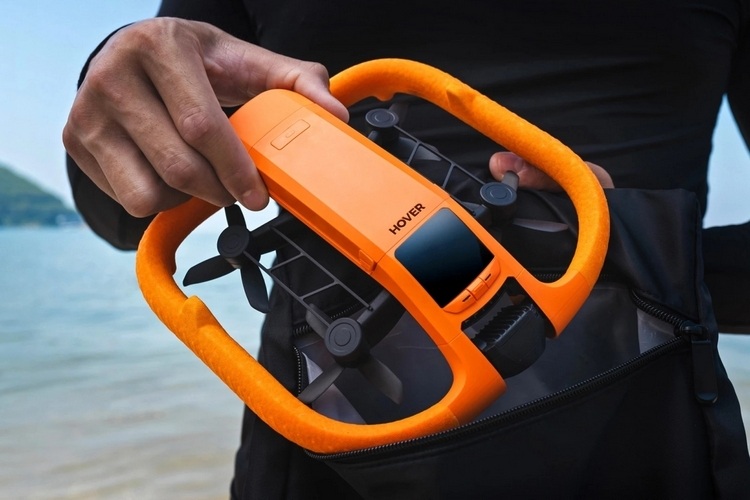
HoverAir’s selfie drones keep their propellers inside protective cages, so they are safe to fly even indoors. Their feature set is not as packed as some of the best drones around, but it suits what most people need.
The biggest drawback has been the lack of waterproofing, which makes flying outdoors a bit tricky. The new HoverAir Aqua is built to fix that.
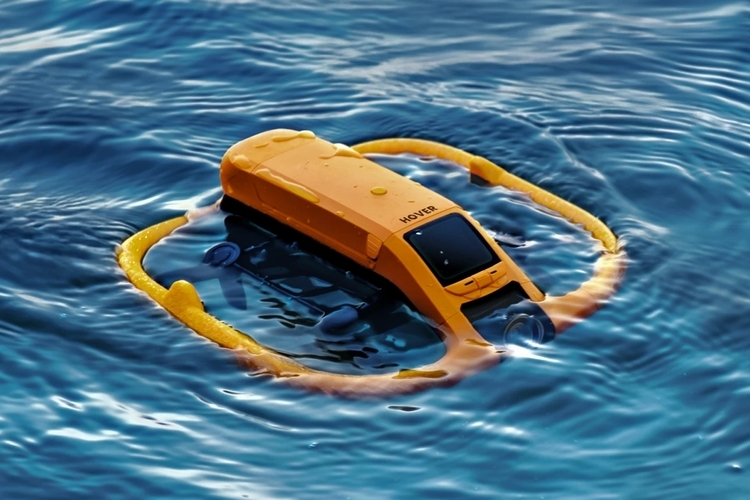
A Drone That Floats, Lifts Off and Lands on Water
The Aqua can take a splash or a soaking without trouble. It is designed to float, take off and even land right on the water.
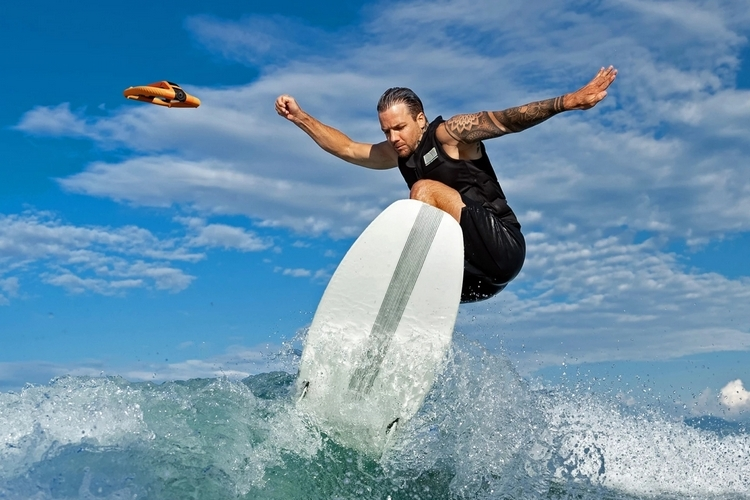
Picture paddleboarding on a river, kayaking on a lake or messing around with friends at the beach. This drone makes it easy to film all of those activities hands-free.
Built for Water From the Inside Out
This model was designed for use in and around water. It has a composite body that resists salt corrosion, and its internal parts are fully sealed and nano-coated to cope with every kind of water exposure.
It is also buoyant, so the whole drone stays afloat whenever it lands on the surface. It can lift off from there too.
That is a change from the company’s earlier drones, which had to be picked up and launched from your palm.
The water-ready details run throughout the build. The lens has a hydrophobic coating with self-heating anti-fog capability, the gimbal uses ceramic bearings and the screws are corrosion-resistant titanium. That is only a sample of the innovative elements inside.
Flip Recovery and a Wearable Remote
Should the drone land upside down on the water, a turtle flip feature lets it jump and realign itself the right way up.
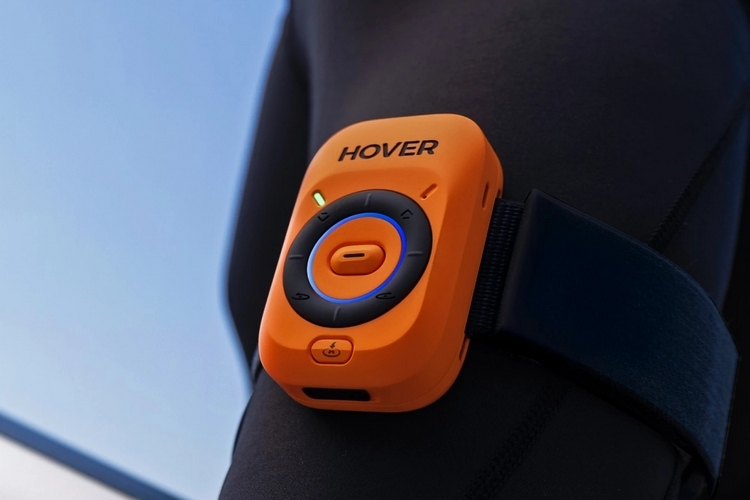
Control comes from the Lighthouse remote, which is designed to sit on an armband so your hands stay completely free.
The company explains that precise tracking comes from the drone’s connection with the remote, plus computer vision and real-time kinematics. It is the same impressive tech behind the original selfie drones.
The Camera and Its Built-In Screen
A 1/1.3-inch sensor can capture 4K footage at up to 100 fps.
Because the drone is meant for hands-free use, you are not supposed to watch a live feed on your phone as you would with other drones. Instead, a built-in 1.6-inch AMOLED touchscreen lets you review footage on the fly.
Many settings can be adjusted from that same display, so a phone does not need to come along at all.
Speed, Flight Time and Other Specs
This is quite a powerful drone. The company claims a top speed of 55 kph, and it can stay in the air in wind speeds of up to 33 knots.
The other highlights are listed below:
- Weighs just 249 grams, and no registration is required
- SmoothCapture 3.0 electronic stabilization
- 128GB of storage built in
- 23 minutes in the air per charge, plus the option to swap in spares you have on hand
- 15 different flight modes to suit a range of water activities
- A manual flight mode for anyone who wants full control (requires optional accessories)

Emma Harrington
Ditching overcomplicated jargon to deliver real, practical value is my primary goal as a storyteller. I love tracking what’s happening in the digital space and packaging it into refreshing, easy to digest reads that add something tangible to your day.