ChoiceQuill is reader-supported. When you buy through links on this page, we may earn a commission. You pay the same price either way.
Hardware wallets exist to keep your keys away from the internet. Keystone’s flagship, the 3 Pro, is an air-gapped model priced at $149.
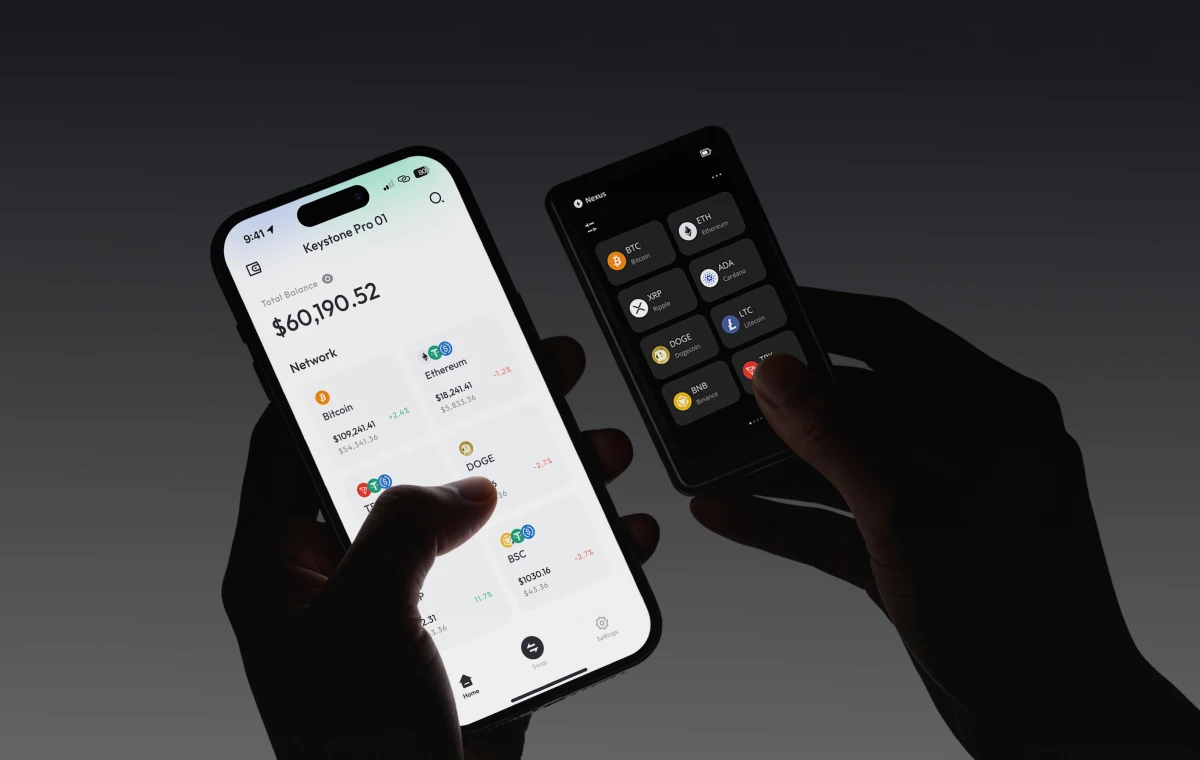
Three independent secure element chips sit inside, and a 4-inch touchscreen handles input.
We read the spec sheet from Keystone, outside security audits, and both expert and buyer reviews. Then we asked whether the flagship justifies its price.
Security Design in Detail
Its main security claim is a trio of secure element chips. Most competitors use just one.
The device never connects to a computer or phone. To sign a transaction, you scan a QR code or move data on a microSD card.
No USB, Bluetooth, Wi-Fi or NFC is involved at any point.
Unlocking can use biometric fingerprint verification, which adds an anti-peeping layer.
Keystone states that the hardware has PCI-grade tamper resistance. If someone tries to breach it physically, it responds by destroying itself.
The firmware is open source, and that includes the secure element code. Four named security firms have audited it: Offside Labs, Blocksec, Slowmist and KeyLabs.
Expert Verdict and Buyer Feedback
Coin Bureau described the wallet as a worthwhile investment for anyone who puts security first. Standouts, it said, are the triple-chip design and a backup option built on Shamir Secret Sharing (SLIP39), all at a competitive price point.
The same review lists drawbacks that echo roughly 690 Trustpilot reviews of Keystone:
- Most assets lack native staking support.
- You rely on third-party wallets such as MetaMask instead of a single built-in app.
- People new to air-gapped signing face a learning curve.
Trustpilot buyers add a few more points. Now and then the battery drains, the fingerprint sensor acts up, or an individual order ships late.
They also praise the support team, which swaps out faulty units free of charge while under warranty.
Two Firmware Choices
The 3 Pro comes with a choice of firmware. Pick the multi-coin build and you get support for 5,500+ assets and 45+ integrated wallets. MetaMask is an official hardware partner.
The Bitcoin-only build drops all other coins. In return, the code is smaller, which in theory leaves fewer places for bugs to hide.
Keystone Versus Ledger
Compared with Ledger, the Keystone 3 Pro gives up USB and Bluetooth convenience. In exchange, you get a fully air-gapped, open-source setup.
The price lands between two Ledger models. It costs more than the entry-level Nano S Plus ($59). It costs less than the touchscreen Ledger Stax ($399).
Who Should Buy It
This wallet suits people who value open-source firmware and a total lack of physical connections over one polished app. At $149, it ranks among the most transparent hardware wallets on sale.
Set aside time to get comfortable with QR-based signing before you move meaningful funds onto it. Pair the device with a metal seed backup rather than a paper one.