ChoiceQuill is reader-supported. When you buy through links on this page, we may earn a commission. You pay the same price either way.
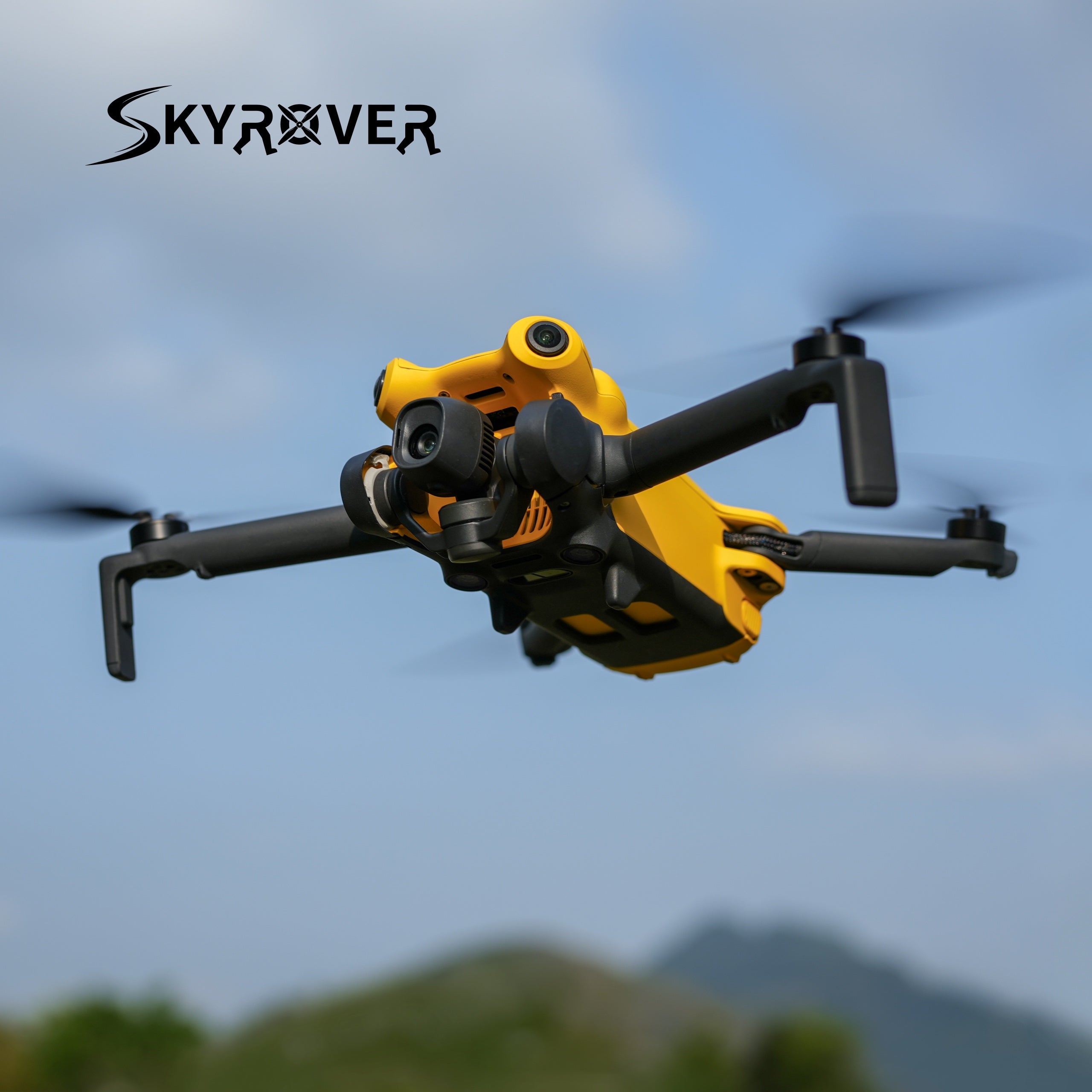
Flagship-style specs on a smaller budget is the pitch behind the SkyRover X1. It costs $499 (regularly $758) and weighs under 249 grams.
Spec for spec, it looks like a Mini 4 Pro from DJI with a far smaller price tag. Here is what the sheet lists:
- A 1/1.32-inch sensor
- 4K/60fps HDR video
- 8K/48MP photos
- Obstacle avoidance in 360 degrees
- A transmission range of 9.32 miles
We went through the official specs and several independent field tests to judge how much of that survives outside the spec sheet. One test was a head-to-head in the wilderness with a real Mini 4 Pro.
Picture Quality and Camera Tools
Reviewers who tested the X1 called the video feed sharp, with well-balanced exposure.
The gimbal tilts up to 60 degrees, which opens up angles that a flat gimbal cannot reach.
The X1 also records RAW stills, a useful option when you intend to edit photos rather than post them directly.
Footage shot in the SR-Log profile (10-bit HLG) leaves genuine dynamic range for color grading afterward.
Zoom is where the camera stumbles. Digital zoom quality falls off noticeably beyond 3x, so use it to frame shots, not to capture fine detail.
How It Flies
The standout evidence comes from a wilderness field test in Alaska. The tester flew the X1 next to a DJI Mini 4 Pro.
The tester found that subject tracking kept up across rough ground, and at times it did better than the Mini 4 Pro.
Several reviewers got a quick, dependable GPS lock. The app’s built-in flight tutorial earned praise for being unusually clear to first-time pilots.
In that same real-world test, the battery lasted about 25 to 26 minutes. The spec sheet rates it at 32 minutes.
That gap is typical once wind, temperature and active tracking come into play. Plan your flights around the lower number, not the marketing figure.
Build Quality Concerns
Not every review was glowing. One tester spotted a gap in the housing that you can see from outside, along with exposed motherboard in the battery compartment.
The same tester also reported occasional phantom obstacle warnings from the rear sensor.
The X1 carries no rating for sand, dust, moisture or salt air, which means beach and coastal flights need extra caution.
The app’s map also leaves out flight-restriction zones, so checking airspace rules is on you.
A Care plan for the X1 is available from SkyRover for $119, aimed at anyone worried about drops or water damage. It covers as many as two replacements during 12 months.
X1 vs. DJI Mini 4 Pro on Price
The X1 Fly More Combo goes for about $629, while the comparable DJI package starts at $1,099.
Despite that gap, you get 360-degree obstacle sensing that matches DJI’s, on a sensor in a similar 1/1.3-inch class.
The X1 also lets you switch off Remote ID broadcasting while staying under the 249-gram limit. DJI’s Mini 4 Pro does not offer that option.
DJI keeps its lead in low-light polish and in its longer track record as a brand.
Is It Worth Buying?
The X1 is a strong buy at $499 for anyone who wants specs close to a flagship’s, without a flagship’s price tag. It suits pilots who are comfortable checking airspace rules themselves and handling the housing gently.
Shoppers who rank low-light performance or a rock-solid build above price should compare it against DJI’s price for the same tier.