Chinese tea can be hard to approach. The vocabulary is unfamiliar, the catalogs are huge, and one wrong order can leave you with a bag you never finish. iTeaworld lists more than 220 products, so the choice can feel heavy before you have tasted anything.
This guide sorts the catalog out. It covers where the brand comes from, what each tea category offers, how to match a set to your taste, how it stacks up against an older rival, and what to know about brewing, storage, shipping and returns.
Everything here comes from the brand’s own product details and policies, so treat it as research rather than a tasting diary. If you want a close look at its ten-variety oolong sampler, our full verdict on the iTeaworld Oolong Tea Flavor Exploration Collection covers that single product in depth.
Who Is Behind iTeaworld
The iTeaworld name dates from 2022, but the business behind it is older. It began as Jingyi Tea in 2009, a company set up to source and sell well-known Chinese teas, and it spent 13 years operating inside China. The team then took it international, relaunching it as iTeaworld and registering trademarks in the US, the EU and Southeast Asia.
Interviews with the company identify its founder as Liu Yongqiang, who has spent roughly 20 years in the tea trade. His work is described as dealing with farmers and artisans across China directly instead of going through wholesale brokers. Whatever the sourcing model, the catalog’s naming is specific: teas carry region and processing labels such as Wuyi Rou Gui or Fenghuang Dan Cong rather than a single generic word.
The brand also lists the land and facilities behind its leaf.
- A mountain base of wild tea trees covering over four million square meters, with more than 2,000 ancient tea trees, some of them over a century old.
- 2015: a contracted national forest of nearly 10,000 mu, or roughly 1,600 acres.
- 2018: an Old Tree Ecological Tea Garden.
- 2021: a processing factory of 6,000 square meters.
These are the brand’s own figures, not independent measurements.
Its stated goal is to be the place tea lovers worldwide turn to, and in particular to teach newcomers Chinese tea from the ground up. That goal fits a range built around tea cards, brewing guides and sampler boxes, not only bulk leaf.
What the Catalog Covers
iTeaworld sorts its tea into oolong, green, scented, white and black, with a herbal pick, some teaware and curated sets on the side. Each section works a little differently.
Oolong
Oolong gets the most shelf space, and roast level is the main way it is divided. For single-origin bags the brand offers Da Hong Pao, which it describes as bold and charcoal-roasted, and Tie Guan Yin, described as soft and orchid-like. Roasted and floral collections are there for drinkers who have already picked a direction.
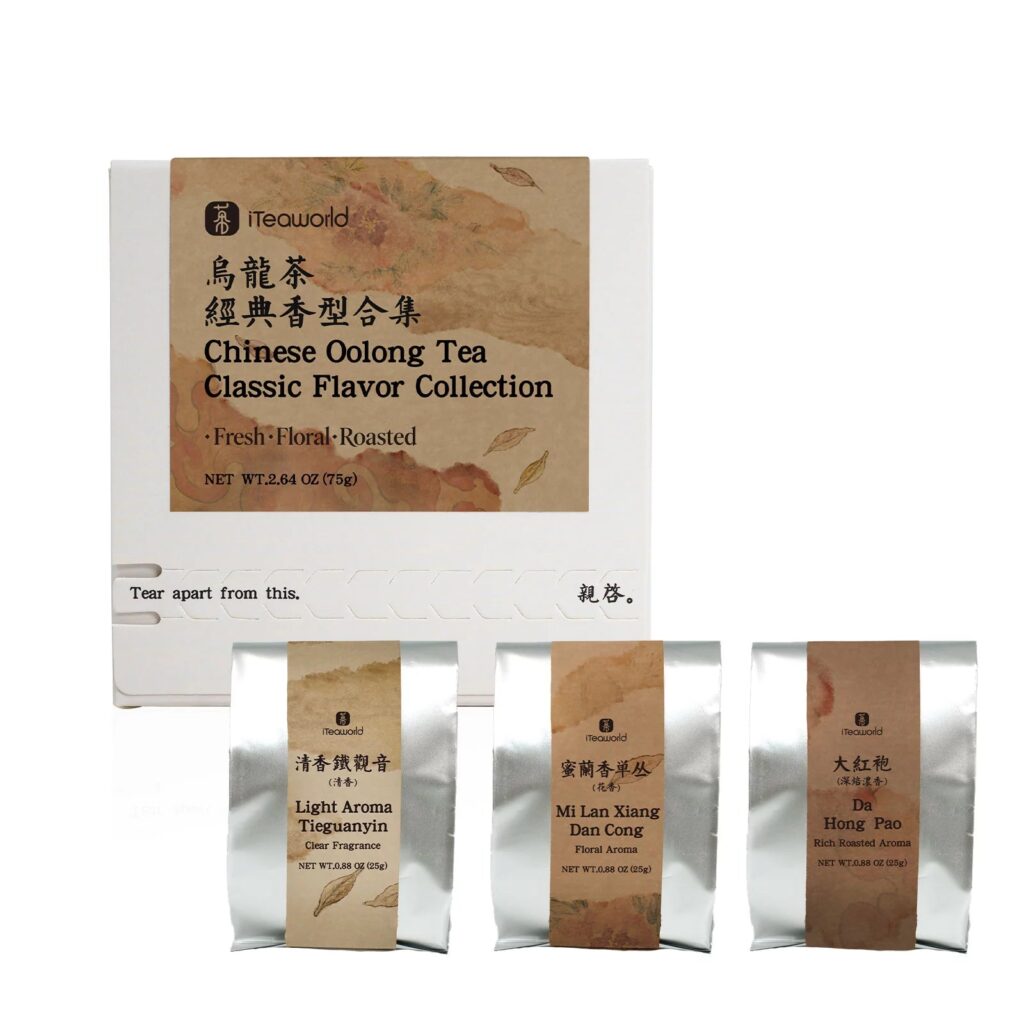
For a first look, the Chinese Oolong Tea Starter Set puts three classic styles (fresh, floral and roasted) in one box, so you can sample the spread before settling on one.
Green tea
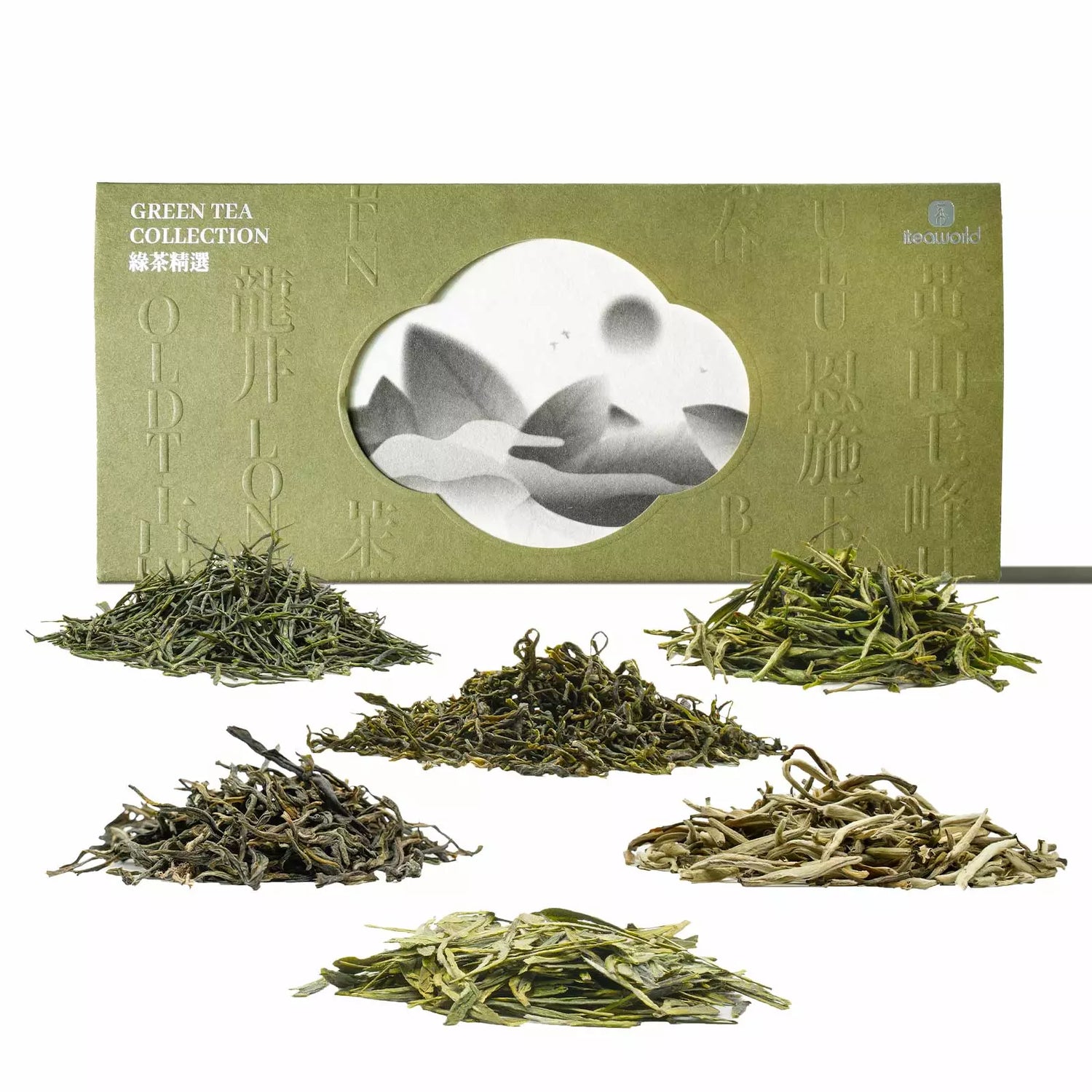
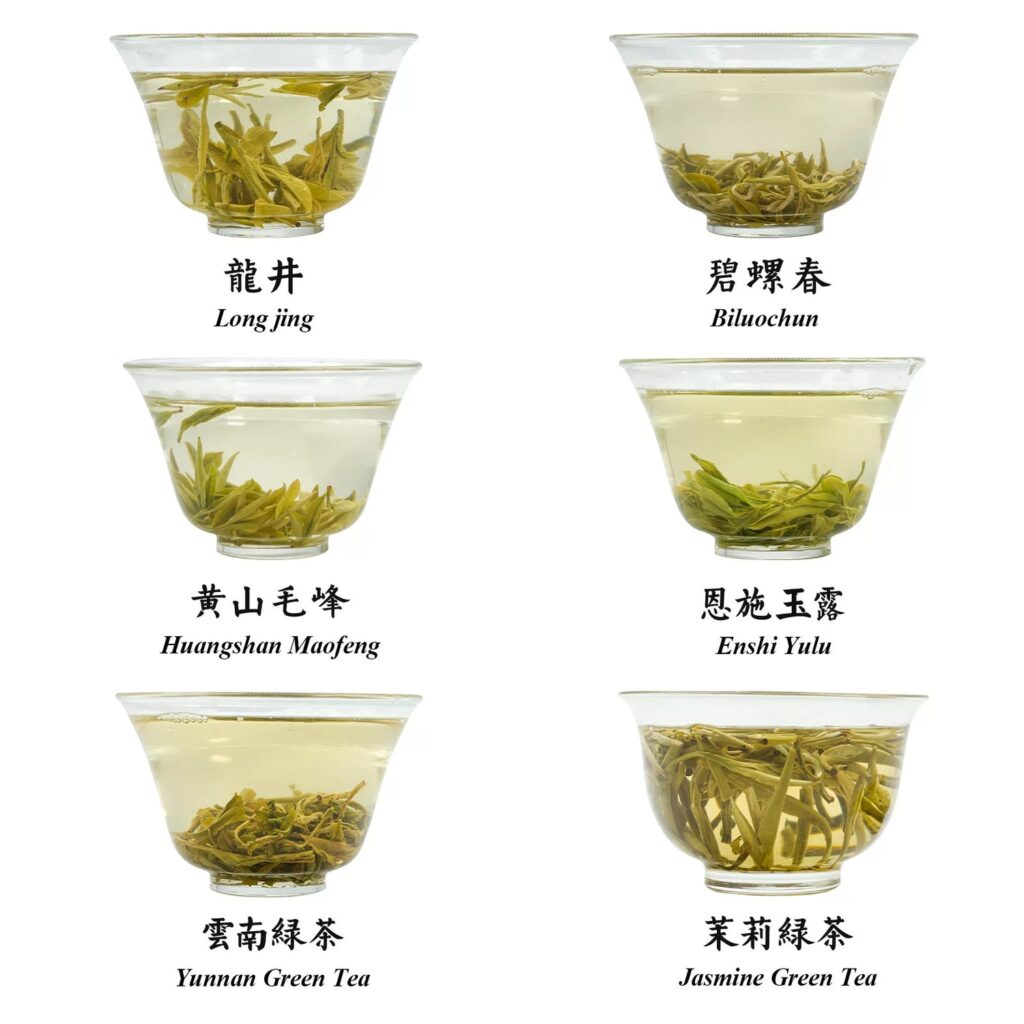
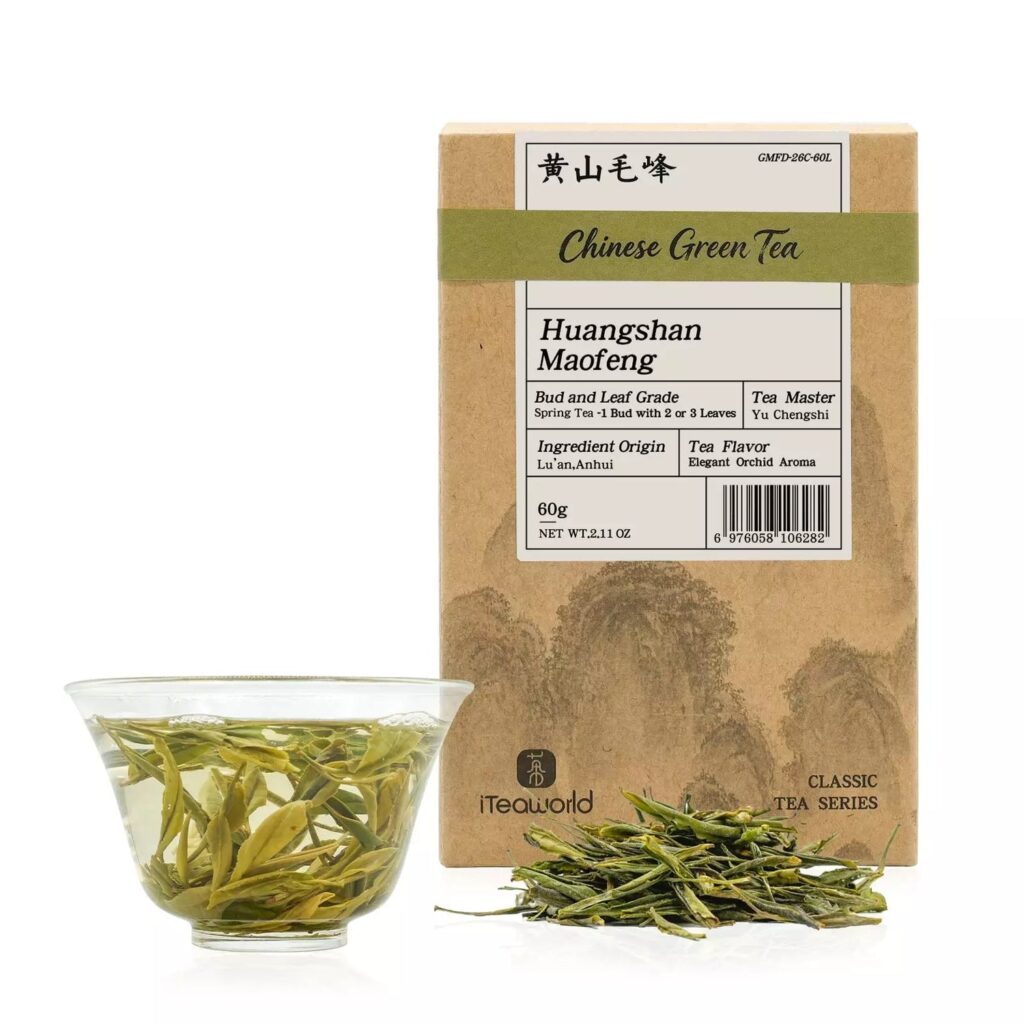
Longjing anchors the green tea range in two styles. iTeaworld describes the floral one as clean and delicate and the nutty one as bean-like and traditional. Biluochun is described as fresh and flower-like, and Huangshan Maofeng as a light tea with a gentle floral scent. The Chinese Green Tea Starter Set gathers Longjing, Huangshan Maofeng and a jasmine green into one entry-level box.
Scented tea
Jasmine dominates the scented range, which comes in several scenting intensities. At one end are lightly scented samples. At the other is Jasmine Piaoxue, scented four separate times, so you can choose how perfumed a cup gets. Osmanthus Oolong brings a different floral note altogether.
Florals can sound appealing without any clear favorite yet. A small scented sample pack is a low-cost way to test the water before buying a full bag.
White tea and black tea
These sections are smaller. White tea is listed as improving with age, so a long stay in the cupboard does it no harm. Black tea is listed as holding its flavor for two years or more.
Herbal tea and teaware
The lineup’s herbal pick is Vine Tea, listed as caffeine-free, for anyone who wants the ritual of tea without the caffeine. On the teaware side the store sticks to small items such as Yixing clay tea pets, inexpensive add-ons you could skip without missing anything.
Choosing a Set by Flavor
Start from flavors you already enjoy rather than from the product list. The table below pairs common tastes with a sensible first look.
| If your taste runs to | Look at first |
| Strong, smoky cups | A single-origin Da Hong Pao bag, or the Roasted Chinese Oolong Tea Collection |
| Honeysuckle, orchid or jasmine notes | A jasmine-scented green tea, or the Floral Chinese Oolong Tea Collection |
| Delicate green tea | Floral Longjing for a clean cup, or nutty Longjing for something bean-like |
| No clear preference yet | A sampler such as the exploration collection |
| No caffeine at all | Vine Tea, the store’s caffeine-free herbal option |
If you like coffee or a strong, smoky cup, the roasted end of oolong is the place to look, since Da Hong Pao and the roasted collection both favor charcoal depth over anything light. For floral fans, Ya Shi Xiang Dancong is described as bringing out a honeysuckle-like aroma.
If you have not settled on a direction, guessing is how you end up with a full bag you do not love. In that case, browse iTeaworld’s store for the Oolong Tea Flavor Exploration Collection, which spreads ten styles across pre-portioned mini cakes and covers roasted, floral and fruity cups in one box.
Green tea drinkers mostly choose between the two Longjing styles, and the Floral & Nutty Longjing Tasting Set puts them side by side before you commit.
Matching a set to a budget
The brand’s prices fall into three rough bands, and each suits a different kind of buyer.
- About $25 to $40: gift sets and premium single-harvest teas.
- About $15 to $25: starter sets and the flavor exploration sampler.
- Up to about $15: single-origin bags such as Ya Shi Xiang, Luan Guapian or Huangshan Maofeng.
While you work through a sampler, write a quick note on each tea right after drinking it. Those notes tell you which full bag deserves the next order.
The Sets Side by Side
These seven sets cover the usual starting points. All prices are approximate regular prices at iTeaworld.
| Set | What it offers | Weight | Price |
| Oolong Tea Flavor Exploration Collection | Ten oolongs in twenty 5-gram cakes, plus tasting cards | 100 g | About $20 |
| Chinese Oolong Tea Starter Set | Fresh, floral and roasted styles in larger portions | 75 g | About $20 |
| Chinese Green Tea Starter Set | Longjing, Huangshan Maofeng and jasmine green tea | 70 g | About $20 |
| Chinese Jasmine Tea Flavor Collection | Jasmine at several scenting intensities | 90 g | About $20 |
| Traditional Chinese Scented Tea Collection | Ten scented teas, with osmanthus alongside jasmine | 100 g | About $25 |
| Chinese Green Tea Gift Set | Six full teas in a gift presentation | 100 g | About $30 |
| Floral & Nutty Longjing Tasting Set | A two-way Longjing comparison | 60 g | About $20 |
Match the set to the job. The exploration collection suits breadth, and the oolong starter set suits fewer, larger samples. The green starter set is the lighter alternative if oolong feels too intense. If florals are your thing, the jasmine collection narrows the search to one family while the scented collection widens it. The gift set suits presents, since six full teas beat tiny tasting portions for that purpose.
The Longjing tasting set is for a green tea fan who wants to settle whether floral or nutty wins.
How It Compares With Teavivre
Teavivre is the older seller in this comparison. It runs a large catalog and, like iTeaworld, sends extra samples with orders.
The ranges overlap, since both cover a wide spread of Chinese teas. Format is where they split. iTeaworld leans into curated sampler and gift sets, with pressed mini cakes, tasting cards and a brewing guide. Teavivre’s samples come as standard loose-leaf packets, which you still have to measure yourself.
| Factor | iTeaworld | Teavivre |
| Catalog | More than 220 products | A large catalog |
| Samples | Free samples tiered by order size | Extra samples with orders |
| Sampler format | Pressed mini cakes with tasting cards | Standard loose-leaf packets |
| Returns | A 30-day guarantee, often with no return needed | A standard return process |
| Track record | Roots in 2009, relaunched under this name in 2022 | In business for longer |
Teavivre suits someone who already knows a region or processing style and cares about a longer history. iTeaworld suits a newcomer after tasting notes, brewing directions and ready-measured portions. Either can work, and the deciding factor is how much guidance you want.
Brewing and Storing Your Tea
Even good leaf makes a weak cup when it is brewed carelessly or stored open on a shelf. The basics below address both.
Brewing oolong
For gongfu style, begin with a 15-second first steep and add roughly 10 seconds to each one that follows, for as many as seven rounds. Pour 100 to 150 ml of boiling water over each cake or portion.
Western style is a single long steep: one portion in 500 ml of 95°C water for 3 to 5 minutes, which yields two or three large pours. If several short infusions feel like too much, start here.
Brewing green and scented tea
Green tea needs cooler water, around 80 to 85°C, and a shorter steep. Water straight from a rolling boil can pull out extra bitterness.
For scented tea, look at the base leaf. Jasmine and similar teas generally follow the green tea settings, unless the base is oolong, in which case use oolong temperatures. The packaging names the base.
Storing tea
An airtight tin or jar kept out of sunlight, heat and damp is the standard setup. Because leaves pick up odors, keep them off the shelf beside spices and coffee. With a sampler wrapped portion by portion, keep each wrapper closed until you are ready to brew.
Shelf life varies by type. Green tea is the shortest, at about a year at room temperature or up to 18 months in the refrigerator. Oolong is rated at about 18 months and black tea at two years or more. White tea is listed as improving with age, and dark tea as suited to long-term storage.
Habits worth dropping
A few habits are worth dropping. Clear jars on a sunny counter expose leaf to light, and opening every sample at once exposes more tea than you will drink soon. On the brewing side, boiling water on green tea pulls out excess bitterness, and a long first steep skips the short, repeated infusions that gongfu style relies on.
Water temperature changes the cup noticeably. If earlier Chinese teas left you cold, retry one with the right temperature and steep time before writing off the leaf.
Buying Direct and Avoiding Bad Listings
The brand’s own site is the safest place to buy. Orders placed through iTeaworld’s own store carry the 30-day satisfaction guarantee and qualify for the free samples that come with direct orders.
Not every listing elsewhere is equally trustworthy, and freshness matters for tea because time and storage conditions change the flavor. If you buy anywhere other than iTeaworld’s own site, make sure the seller is iTeaworld itself or a retailer the brand names.
Watch for a price far below the brand’s own with no explanation, a seller name that is neither iTeaworld nor a retailer it names, and product photos that differ from the packaging on iTeaworld’s own site. A listing whose photos never show when the tea was produced or when it should be used by deserves caution too.
An unknown seller leaves you guessing how long the leaf sat in storage.
Shipping, Returns and Programs
Delivery from China takes 10 to 20 business days on top of about three business days of processing, depending on the destination country. More than 30 destinations are served, spread over North America, Europe and the Asia-Pacific region.
Orders are charged within a day. An email follows with a tracking number you can follow on a third-party tracking site, and the address should be written in English so the parcel is not delayed.
Postage is set by weight and zone. In the zone covering the US, Canada, UK, EU and Australia, parcels up to 1 kg are listed at about $9.90, and the heaviest band, 2.5 to 5 kg, reaches about $45.99. A second zone that includes Japan, Singapore and Vietnam costs roughly half as much.
The refund window is 30 days from delivery, or 14 days for EU consumers using their legal withdrawal rights. Coverage applies to damaged, incorrect and missing items. To claim, write to the brand’s support team, quoting your order number and attaching photos with a short description. The brand often resolves cases without needing anything shipped back.
Approved refunds are paid to the original payment method within five business days. Not eligible are import duties, customs fees, carrier charges, orders with an incorrect address and parcels nobody collects.
Standing programs include free samples scaled to order size (one for one item, two for two, three for three or more), a Steep & Earn rewards program that turns purchase points into discounts and gifts, and a Tea Club subscription that delivers seasonal themed boxes. Programs can change, so confirm the details on the store before you order.
These protections cover direct orders, so keep the warning signs above in mind when comparing listings elsewhere.
Common Questions
Is there a company history behind iTeaworld?
Yes. Jingyi Tea, founded in 2009, is the predecessor, and the iTeaworld name arrived with the 2022 international launch, alongside trademark registrations in the US, the EU and Southeast Asia.
What is the average customer rating?
The brand’s own site shows an average of about 4.6 out of 5 across roughly 930 reviews. That is a store-wide figure, not a score for any single product.
Are sampler portions measured out for me?
In some sets, yes. The oolong exploration box is the example: its mini cakes weigh 5 grams each and come wrapped one by one.
Does iTeaworld sell a subscription?
Yes. The Tea Club sends a themed box each season.
What should I do if a parcel arrives damaged?
Write to the support team with photos of the damage and your order number. Damaged, incorrect and missing items all fall under the return policy.
How long does shipping to the US take?
Parcels come from China, so plan for 10 to 20 business days once processing is done.
Where to Start
Uncertain? A sampler tells you what you like before you pay for volume, which makes it a safer opening move than a single-origin bag you may never finish.
After the sampler has pointed you somewhere, move up to a full bag of your favorite and use the temperatures and steep times above. A bit of patience and a few notes will make each later order easier.